
Call us now :08045479854
 Send Inquiry
 Send Inquiry
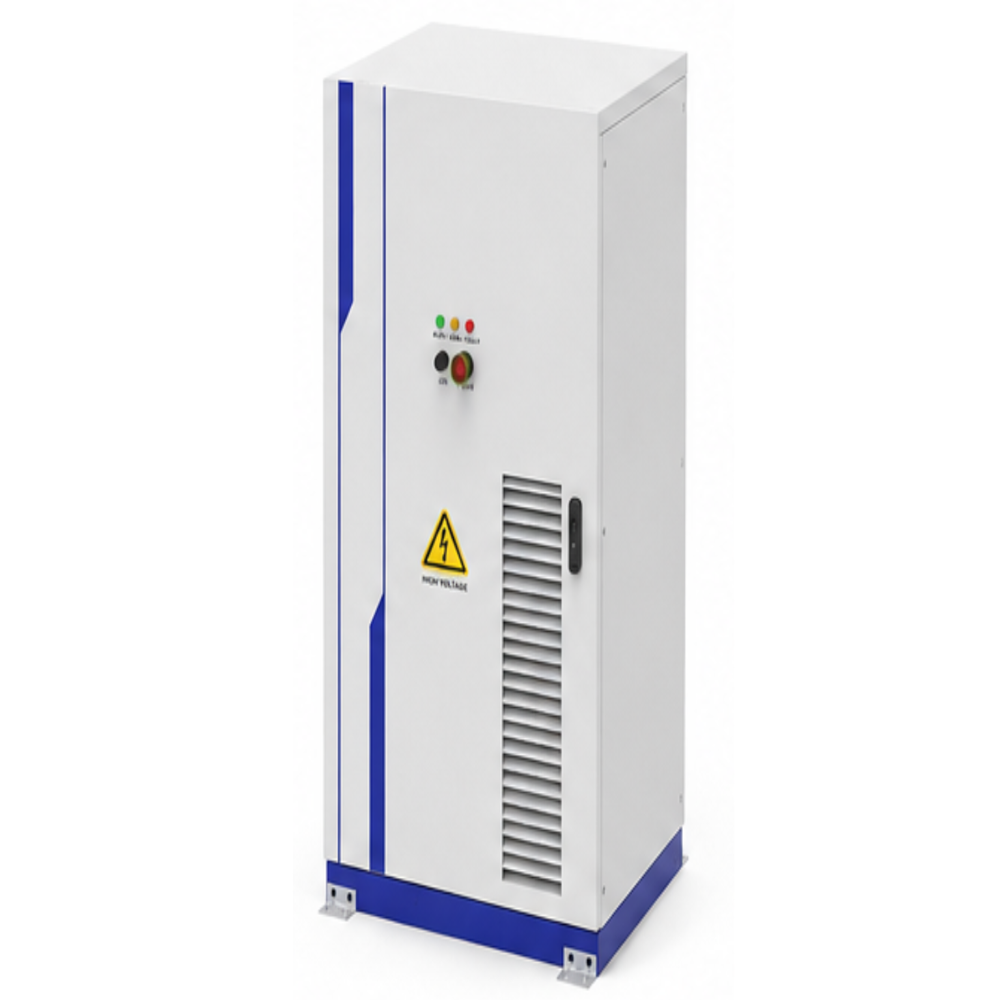
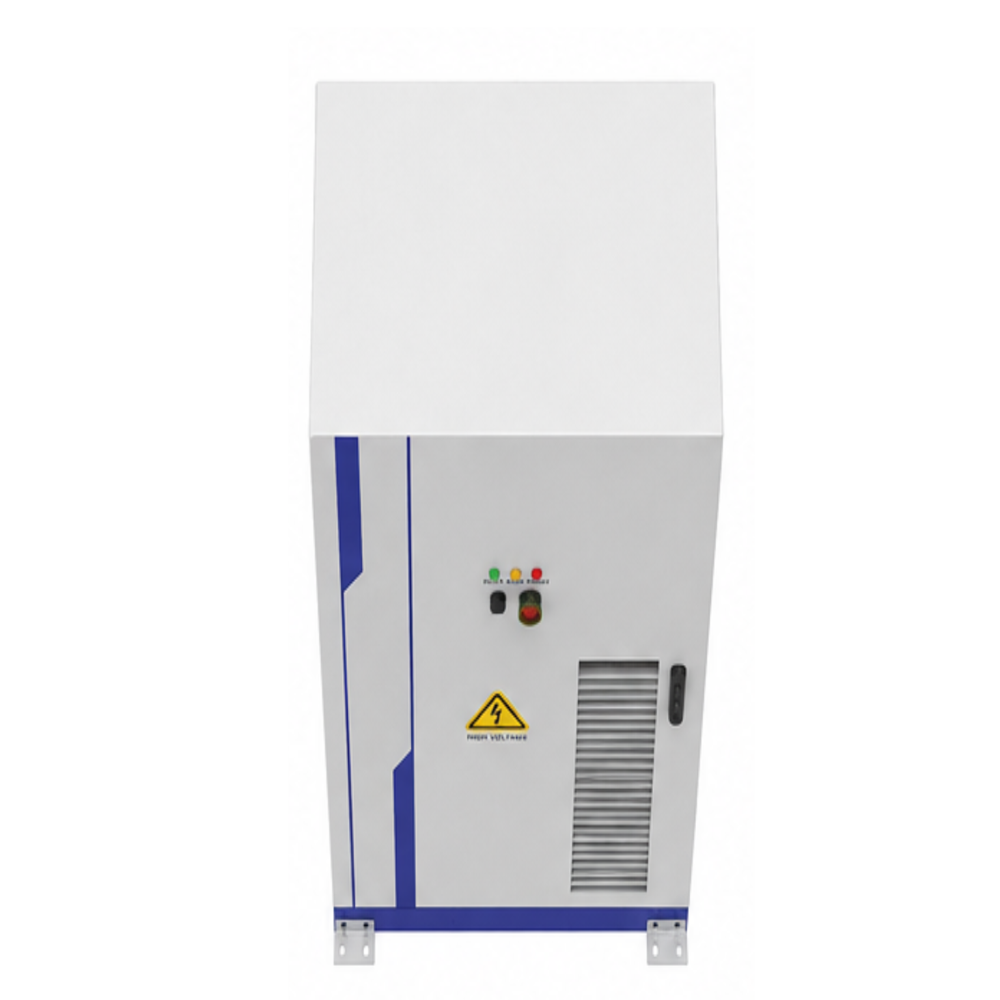
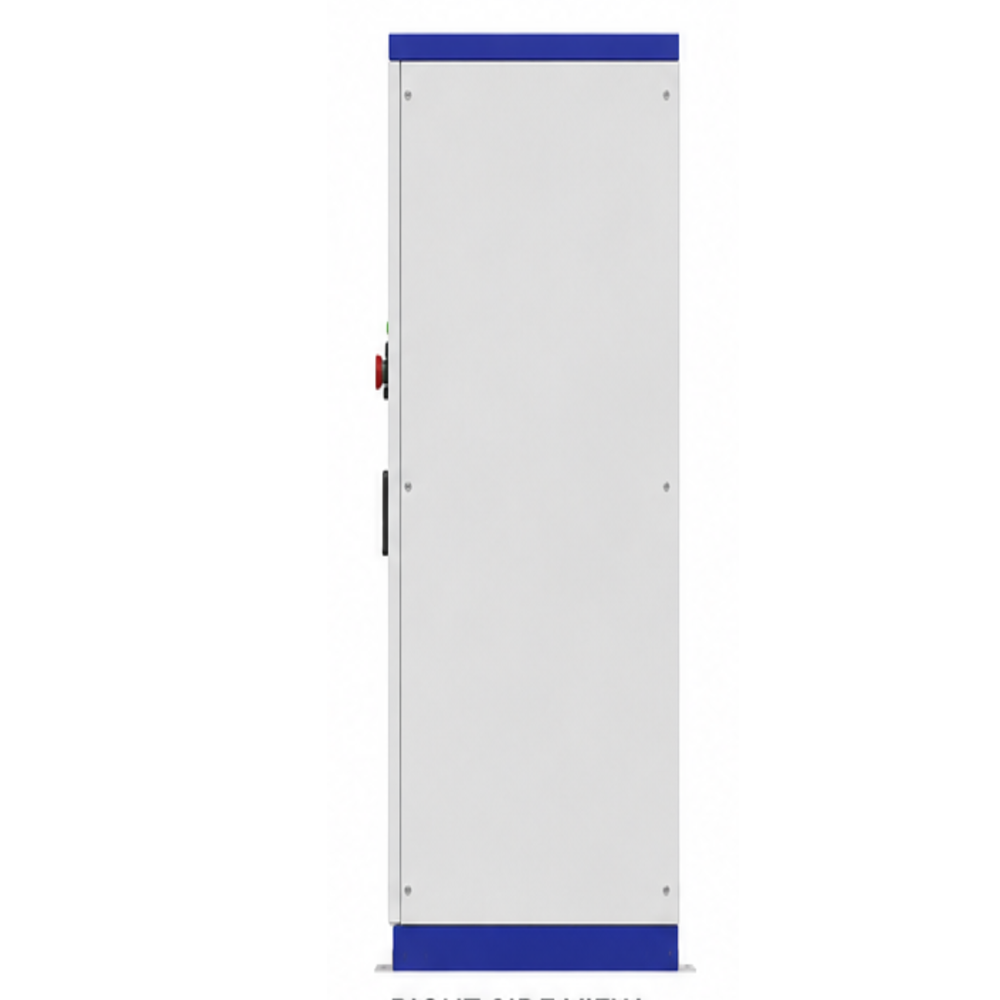
Outdoor Aircooled PV-ESS
Price 1800000.0 INR/ Piece
MOQ : 1 Piece
Outdoor Aircooled PV-ESS Specification
- Input Voltage
- 600 Volt (V)
- Efficiency
- >92%
- Features
- Air-cooled system, modular design, easy maintenance, real-time monitoring, smart BMS
- Maintenance Type
- Low Maintenance
- Product Type
- Other
- Material
- High-grade Steel, Powder Coated Metal
- Number of Cells
- Variable (depends on required capacity)
- Power
- 50000W to 500000W Watt (w)
- Operating Temperature
- -20 to 55 Celsius (oC)
- Max Voltage
- 600 Volt (V)
- Max System Voltage
- 1000 Volt (V)
- Output Voltage
- 380/400 Volt (V)
- Cable Length
- 70 Millimeter (mm)
- Switch Mode
- Other
- Size
- Medium to Large (varies per model)
- Dimension (L*W*H)
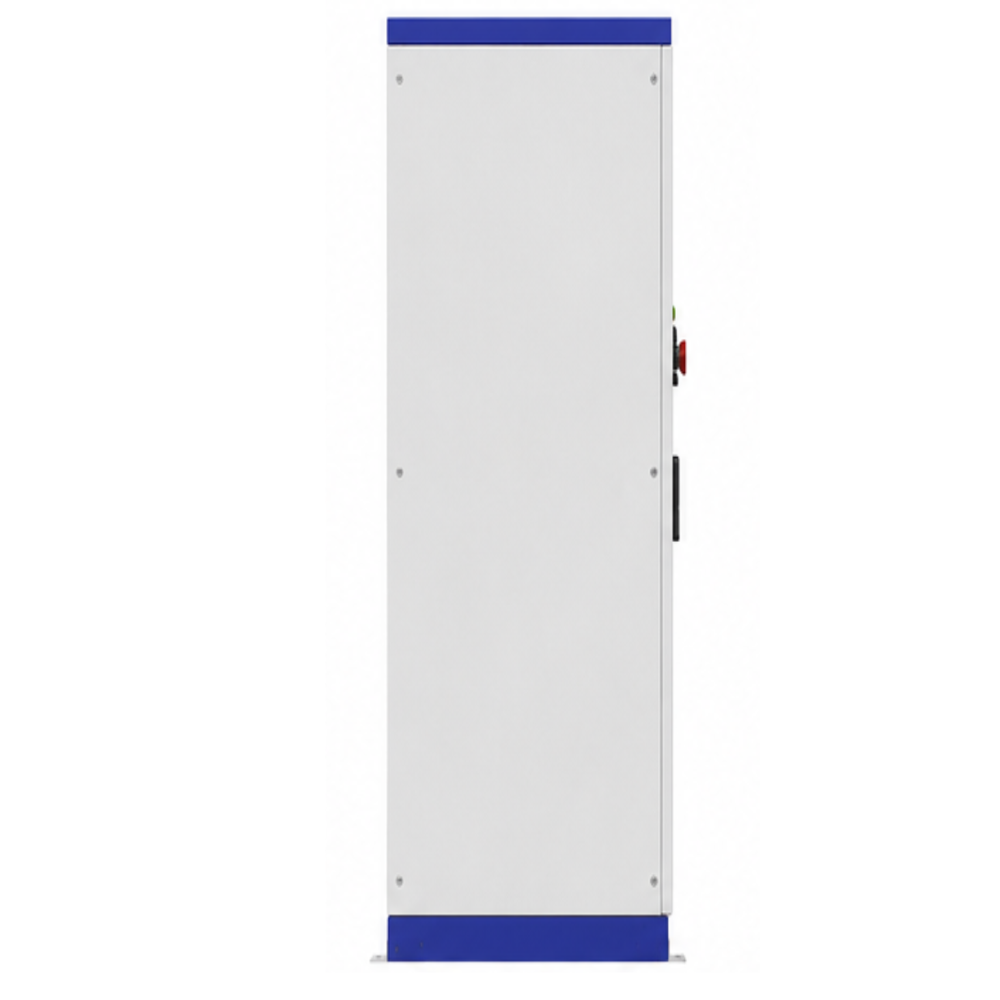
- 1700 x 1100 x 2200 Millimeter (mm)
- Color
- White
- Weight
- 1780 Kilograms (kg)
- Warranty
- 10years
- Application
- Industrial, Commercial
- Type Of Technology
- Other
- Installation Type
- Other
- Standards Compliance
- IEC 62619, UN38.3, IEC 62040
- Display
- 7
- EMS Compatibility
- Compatible with most Energy Management Systems
- Cooling System
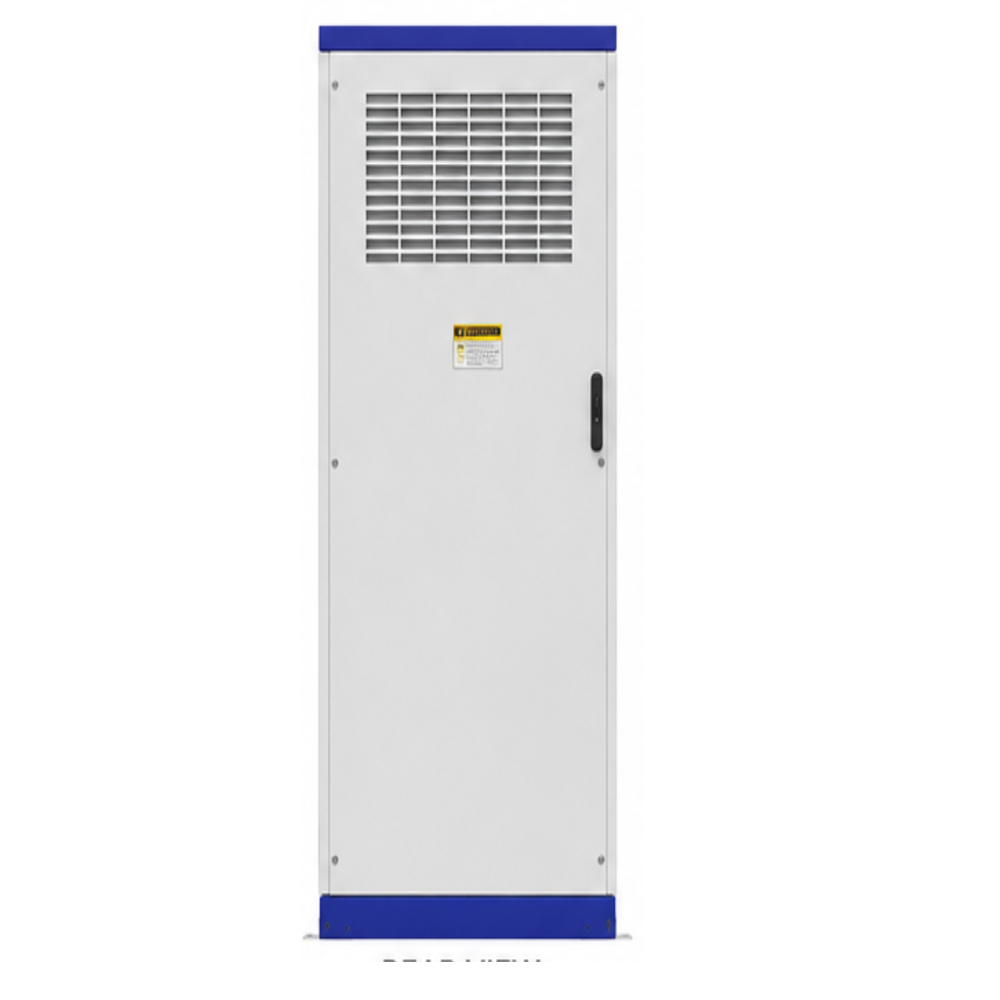
- Advanced air force cooling
- Charge/Discharge Rate
- 0.5C to 1C (configurable)
- Relative Humidity
- 0%-95%, non-condensing
- Battery Management System
- Integrated high-precision Smart BMS
- Cycle Life
- >6000 cycles @80% DOD
- Safety Features
- Overcharge/Overdischarge Protection, Short Circuit Protection, Emergency Stop
- Noise Level
- <65 dB @ 1 meter
- Enclosure Protection Rating
- IP54 rated weather-resistant cabinet
- Fire Suppression
- Optional integrated system
- Communication Interface
- RS485, CAN, Ethernet, Wi-Fi (optional)
Outdoor Aircooled PV-ESS Trade Information
- Minimum Order Quantity
- 1 Piece
- Delivery Time
- 45 Days
About Outdoor Aircooled PV-ESS
8000 cycles, ensuring enduring and stable power supply.Effective reduces battery temperature, enhancing battery performance and lifespan. Optional photovoltaic(PV) DC-DC converts and rapid STS(Static Transfer Switch) for flexible adaptation to various needs.Reliable All-Weather Performance
Designed for outdoor installations, the PV-ESS features an IP54 enclosure rating and high-grade powder-coated steel, protecting the system from dust, rain, and harsh weather. Its advanced air cooling system ensures stable operation in ambient temperatures from -20C to 55C, making it ideal for a variety of environments and challenging climates. Robust safety systems, including overcharge prevention and optional fire suppression, add further peace of mind.
Flexible and Intelligent Energy Storage
This modular ESS can be configured to deliver between 50 kW and 500 kW of power, supporting various applications from solar energy storage to peak shaving and load shifting. The integrated high-precision smart BMS, combined with real-time 7" LCD monitoring, ensures optimal battery performance and extended lifespan. Advanced communication interfaces (RS485, CAN, Ethernet, Wi-Fi) allow for seamless integration with most Energy Management Systems (EMS).
Efficient Operation and Easy Maintenance
With over 92% efficiency and low noise operation (<65 dB @ 1 meter), this aircooled LFP system is designed for everyday energy management with minimal disruption. Its modular design supports easy access for maintenance, while the automated and manual switching modes streamline operation. Customizable cable lengths and configurations further enhance installation flexibility.
FAQ's of Outdoor Aircooled PV-ESS:
Q: How does the aircooled PV-ESS handle different outdoor weather conditions?
A: The PV-ESS is housed in a weather-resistant, IP54-rated steel cabinet that protects against dust, rain, and varying temperatures. The advanced air force cooling system maintains optimal battery temperature, ensuring reliable operation from -20C to 55C and relative humidity from 0% to 95% (non-condensing).Q: What are the main benefits of using this system for solar PV energy storage?
A: This system provides efficient and flexible energy storage for solar PV applications, enabling backup power, peak shaving, and load shifting. The integrated smart BMS and real-time monitoring maximize battery performance and safety, while its high cycle life (>6000 cycles at 80% DOD) ensures reliability and longevity.Q: When is it appropriate to utilize the emergency stop feature?
A: The emergency stop feature should be used in critical situations, such as overheating, electrical faults, or other safety hazards, to immediately halt system operation. This enhances user and equipment protection during emergencies.Q: Where can this PV-ESS system be installed?
A: It is designed for standalone outdoor installation and is suitable for commercial, industrial, or utility applications, where robust performance in all weather conditions is necessary. The cabinet size and dimensions can be customized as needed.Q: What is the process for integrating the system with existing energy management solutions?
A: The PV-ESS offers multiple communication interfaces (RS485, CAN, Ethernet, optional Wi-Fi) making it compatible with most Energy Management Systems (EMS). Integration typically involves configuring communication protocols and connecting the system to your facility's EMS for synchronized control and monitoring.Q: How easy is it to maintain and monitor the PV-ESS?
A: Thanks to its modular design and smart BMS, the PV-ESS requires low maintenance. Real-time monitoring is available through a 7" LCD touch screen, allowing users to quickly access system data, status updates, and performance analytics.Q: What safety features are included in the system?
A: The PV-ESS is equipped with comprehensive protections such as overcharge and overdischarge protection, short-circuit protection, emergency stop, and optional integrated fire suppression. It complies with international safety standards, including IEC 62619, UN38.3, and IEC 62040.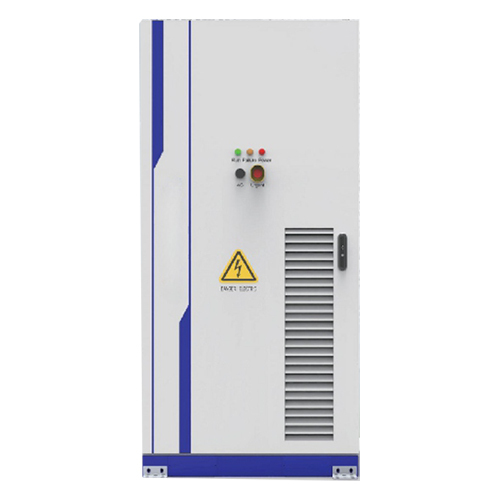
Tell us about your requirement

Price:
Quantity
Select Unit
- 50
- 100
- 200
- 250
- 500
- 1000+
Additional detail
Mobile number
Email

More Products in Battery Energy Storage System Category
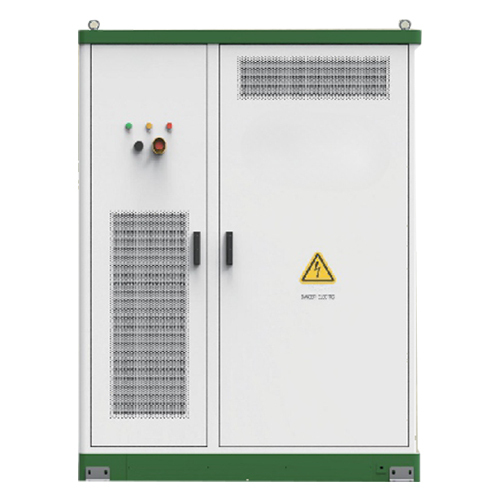
Outdoor Liquid Cooled
Price 4500000.0 INR / Piece
Minimum Order Quantity : 20 Pieces
Weight : 850 Kilograms (kg)
Power : 25000 Watt (w)
Size : Standard Outdoor Compact
Warranty : 10year
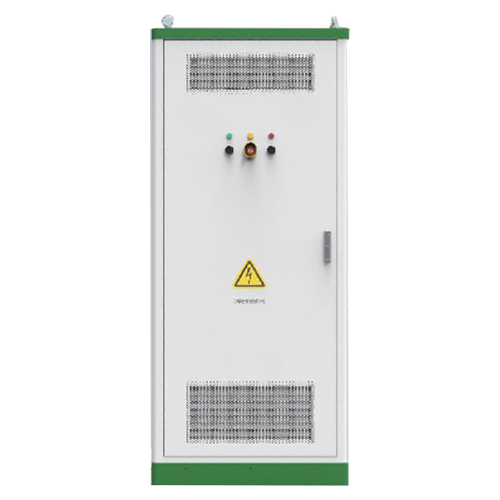
Outdoor Liquid Cooled On-grid ESS Cabinet
Price 2800000.0 INR / Piece
Minimum Order Quantity : 1 Piece
Weight : Approx. 2200 kg Kilograms (kg)
Power : 100000W 500000W (configurable) Watt (w)
Size : Large Outdoor Cabinet
Warranty : 10years

 Send Inquiry
Our Products
- Solar Generator
- Solar UPS
- 3 Phase Solar Hybrid Inverter
- Foldable Solar Panel
- Power Station
- 20000 mAh Mobile Power Bank
- Inbuilt Lithium Battery Solar Inverter
- Ups System
- Off Grid Solar Inverter
- 10000 mAh Wireless Power bank
- Hybrid Solar Power Solutions
- Off Grid Solar Power Solutions
- Energy Storage System
- Hand-Held Power Solutions
- Battery Energy Storage System
- Portable Power Station
- Three Phase Inverter


Sunpower Renewables, Lower Ground Floor, Building no. 74, Sector 28, DLF Phase 1,Gurugram - 122002, Haryana, India

Ms Varsha Chauhan
(Sales Coordinator )
Mobile :08045479854
 Send Inquiry
 Send SMS
Developed and Managed by Infocom Network Private Limited.
 English
 Spanish
 French
 German
 Italian
 Chinese (Simplified)
 Japanese
 Korean
 Arabic
 Portuguese